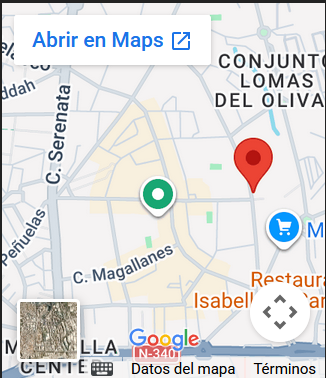
C/Alfredo Palma 6, Resd. Bellavista, Blq 1 Local 1 - Marbella - España
+34 672 115 083

Why Do I Feel Like I Want to Disappear Even Though I Don’t Want to Die? The Difference Between Wanting to Escape and Wanting to Die

PsiqueFunciona, Psychologists in Marbella | Psychology, Speech Therapy, Assessments & Expert Reports, Anorexia, Bulimia, Couples Therapy

Why Do I Feel Like I Want to Disappear Even Though I Don’t Want to Die? The Difference Between Wanting to Escape and Wanting to Die

Why Do I Feel Like I Want to Disappear Even Though I Don’t Want to Die? The Difference Between Wanting to Escape and Wanting to Die

“I don’t want to die… I just want everything to stop.”

It is one of the most common phrases heard in therapy.

It is rarely said out loud. Instead, it often appears as a quiet thought while driving, before going to sleep, or after a particularly difficult day:

“I wish I could disappear for a while.”

“I want to turn my mind off.”

“I don’t want to live like this.”

“I don’t want to die, but I also don’t want to keep living like this.”

If you have ever had these thoughts, you may have felt scared or even guilty for thinking them.

But there is something important you should know: wanting to disappear does not necessarily mean you want to die. In many cases, it reflects emotional suffering so intense that the mind starts looking for an escape from pain.

When emotional pain feels endless

The human brain is designed to protect us.

When we experience intense physical pain, we move away from it. When emotional pain feels unbearable and ongoing, the mind also tries to find an escape.

That is why some people begin to imagine what it would be like to stop feeling, disconnect, or disappear.

Not because they want to die, but because they feel they can no longer تحمل the suffering.

There is an important difference here.

They do not want to stop living.

They want to stop suffering.

What does “wanting to disappear” really mean?

Each person experiences this differently.


Some feel extreme exhaustion.

Others experience a constant sense of emptiness.

It can also appear after months of anxiety, panic attacks, depression, a breakup, grief, trauma, financial stress, or other overwhelming life situations.

In these moments, the thought of disappearing can become a way of expressing:

  • “I need rest.”
  • “I can’t cope anymore.”
  • “I want this pain to end.”
  • “I need help.”

It is important not to ignore these signs, but also not to automatically interpret them as a desire to die.

The difference between wanting to escape and wanting to die

Although these thoughts may seem similar, in psychology they have different meanings.

The desire to escape

The person wants to get away from a situation that feels unbearable.

They imagine what it would be like not to have responsibilities, anxiety, or emotional pain.

Deep down, there is still a desire to live… if life didn’t hurt so much.

The desire to die

In these cases, there is often a deeper loss of hope, along with persistent thoughts about ending one’s life.

It is not always easy to distinguish between the two, which is why seeking professional help is so important when these thoughts appear.

Talking about them does not make them stronger.

It helps understand them.

Why do these thoughts appear?

There is no single cause.

They often appear when several difficulties accumulate over time, such as:

  • Severe or chronic anxiety
  • Depression
  • Chronic stress
  • Psychological trauma
  • Loneliness
  • Relationship problems
  • Grief
  • Addictions
  • Feelings of failure or hopelessness
  • Burnout
  • Physical illness with emotional impact

It is not a sign of weakness.

It is the result of emotional overload that exceeds a person’s coping resources.

Signs it may be time to seek help

It may be helpful to speak with a professional if:

  • These thoughts appear frequently
  • They last longer over time
  • You no longer enjoy things you used to
  • You feel disconnected from others
  • You believe things will not improve
  • You stop taking care of yourself
  • You feel like you are surviving rather than living

You do not need to reach a breaking point to ask for help.

The earlier support is received, the easier recovery tends to be.

What can you do when these thoughts appear?

While each case is different, some general recommendations include:

1. Do not fight the thought

Trying to push it away often makes it stronger.

Try to observe it as a signal that something needs attention.

2. Put it into words

Talking to someone you trust or a professional can reduce emotional burden.

3. Reduce isolation

Isolation often increases emotional distress.

Connection can be protective.

4. Take care of basics

Sleep, eating regularly, and maintaining a simple routine help stabilize emotional resources.

5. Seek professional support

You do not have to go through this alone.

Psychological therapy can help you understand the root of these feelings and develop healthier coping strategies.

Asking for help is not weakness

Many people wait too long because they believe “it will pass” or that they should be able to handle it alone.

But asking for help is not a sign of weakness.

It is a decision to stop carrying unnecessary emotional pain alone.

A final message

If you identify with what you have read, remember this:

You are not alone.

Feeling this way does not mean something is broken inside you.

It means you have likely been carrying too much emotional pain for too long.

And that can be treated.

With the right support, many people who once thought they could not go on eventually recover and reconnect with life.

For more information, please feel free to contact us:

📞 (+34) 672 115 083 / 951 765 549

📍 Marbella (Málaga), Spain

Follow us on social media:

TikTok

Instagram

Facebook

Youtube

Leave a Reply