I Can’t Stop Using Cocaine Even Though I Want To: Why It Happens and How to Regain Control

I Can’t Stop Using Cocaine Even Though I Want To: Why It Happens and How to Regain Control
Have you tried to quit cocaine several times, only to find yourself using again?
You are not alone. Many people genuinely want to stop using cocaine but find themselves trapped in a cycle of abstinence and relapse that leads to frustration, guilt, and hopelessness.
The good news is that recovery is possible. Understanding why quitting feels so difficult is often the first step toward regaining control.
Many People Believe They Could Stop Using Cocaine Whenever They Want
One of the most common phrases we hear in therapy is:
“I’m in control. If I wanted to quit, I could.”
 However, months or even years pass, and the same pattern repeats itself:
- I only use cocaine on weekends.
- I promise myself it will be the last time.
- I stay clean for a few days or weeks.
- Then I use again.
This situation often creates frustration, shame, and a growing sense of losing control. Over time, cocaine use can affect self-esteem, relationships, family life, and professional performance.
How Do You Know If Cocaine Has Become a Problem?
You do not need to use cocaine every day to develop an addiction.
Some common warning signs include:
You Try to Quit but Cannot Stay Stopped
You have made the decision to quit several times, yet eventually find yourself returning to cocaine use.
You Use More Than You Planned
What was supposed to be “just one line” turns into an entire night of consumption.
You Think About Cocaine Frequently
You spend time planning, anticipating, remembering, or recovering from cocaine use.
Your Mood Depends on Cocaine
You struggle to relax, enjoy yourself, or feel motivated without using.
You Begin Hiding Your Use
You minimize, lie about, or conceal your cocaine consumption from the people closest to you.
Why Is It So Difficult to Quit Cocaine?
Many people believe they simply lack willpower.
In reality, addiction is much more complex than wanting to stop.
Cocaine affects the brain’s reward, motivation, and self-control systems. Over time, these changes can make it increasingly difficult to resist cravings and maintain abstinence.
In addition, cocaine often serves an emotional purpose, such as:
- Reducing emotional distress.
- Increasing confidence in social situations.
- Escaping personal problems.
- Coping with sadness or feelings of emptiness.
- Managing work-related stress.
This is why recovery involves much more than simply stopping the substance.
It requires learning healthier ways to cope with emotions, challenges, and everyday life.
What Are the Consequences of Continuing Cocaine Use?
Many people are able to maintain their jobs, relationships, and daily responsibilities for a period of time despite ongoing cocaine use.
However, the consequences often become more noticeable over time.
Common effects include:
- Increased anxiety and stress.
- Mood swings and irritability.
- Relationship conflicts.
- Financial difficulties.
- Reduced self-esteem.
- Sleep problems.
- Greater risk of depression.
- Difficulty concentrating and making decisions.
The longer cocaine use continues, the greater its impact can become on personal, family, and professional life.
What Happens When Someone Tries to Quit Cocaine Alone?
Although some individuals successfully quit on their own, many experience:
- Anxiety.
- Irritability.
- Insomnia.
- Mood changes.
- Intense cravings.
- Repeated relapses.
 Each relapse can increase feelings of failure and reinforce the belief that recovery is impossible.
However, relapse is often part of the recovery process and does not mean treatment has failed.
How Can Psychological Therapy Help?
Therapy helps individuals understand the role cocaine plays in their lives and develop practical tools to regain control.
Treatment may focus on:
- Identifying triggers.
- Relapse prevention strategies.
- Managing anxiety and stress.
- Emotional regulation.
- Rebuilding self-esteem.
- Strengthening relationships.
- Creating healthier habits and routines.
Every person has a unique story, which is why effective treatment should be tailored to their individual needs and circumstances.
Seeking Help Does Not Mean You Have Hit Rock Bottom
Many people wait until they lose a relationship, face financial problems, or experience serious consequences before seeking support.
You do not have to wait until things get worse.
The earlier treatment begins, the greater the chances of recovery and the lower the long-term impact of addiction.
Ready to Quit Cocaine and Take Back Control of Your Life?
If you have tried to stop using cocaine several times without success, you do not have to go through this process alone.
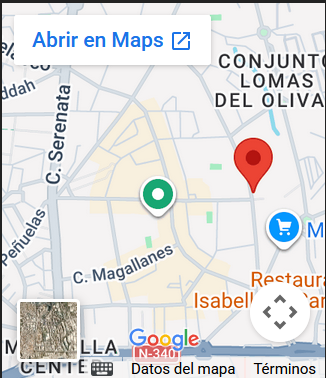
At Psiquefunciona, we provide both in-person therapy in Marbella and online treatment for cocaine addiction. Our goal is to help you understand your relationship with cocaine, prevent relapse, and build a healthier, more fulfilling future.
Contact Us Today
📞 (+34) 672 115 083
📞 (+34) 951 765 549
Marbella (Málaga), Spain
Recovery is possible. The first step starts today.
Follow Us on Social Media!
Stay connected and access helpful resources, mental health tips, recovery guidance, and updates from our team.