Clinical Hypnosis: What It Is, What It Is Used For, and What Science Says
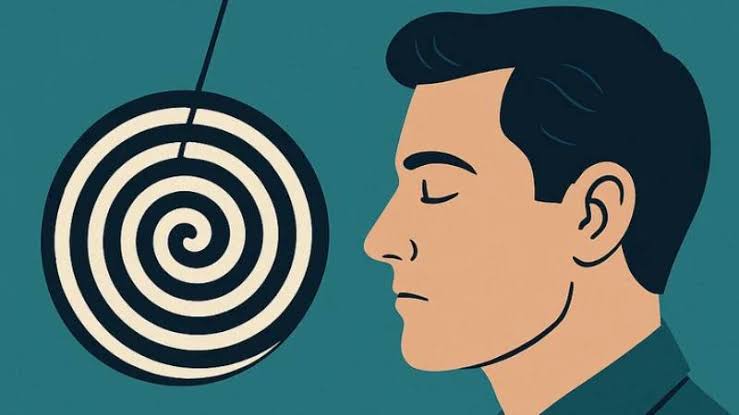
The word hypnosis still raises many questions. Some people associate it with stage shows, loss of control, or states in which someone can be made to do anything another person tells them to do. However, clinical hypnosis has little to do with these representations.
In the field of psychology, clinical hypnosis is a tool that can be used as part of a therapeutic process to address certain psychological difficulties and promote greater awareness of thoughts, emotions, sensations, and experiences.
But how does it really work? Do you lose control during a session? Can it help with anxiety? Can everyone be hypnotised?
In this article, we explain what clinical hypnosis is, what it can be used for, and what you should consider before deciding to use it.
What is clinical hypnosis?
Clinical hypnosis is a psychological technique that uses a state of focused attention and increased receptiveness to certain therapeutic suggestions.
During this state, the person is not asleep or unconscious. In fact, they normally remain able to listen, think, and experience what is happening.
The aim is not for the professional to have control over the person, but to use specific techniques to facilitate the therapeutic process.
Hypnosis can be used as a complement to other psychological interventions, always after assessing each person’s characteristics and needs.
For this reason, it should not be understood as an independent therapy capable of solving every problem, but rather as a tool that may form part of certain psychological treatments.

Hypnosis
What happens during a clinical hypnosis session?
A session begins with an assessment of the person’s needs and the goals they would like to work on.
The professional may then use different techniques designed to promote a state of concentration and focused attention.
During the experience, different sensations may arise, such as relaxation, intense concentration, a different perception of the passage of time, or increased attention to particular images, thoughts, or sensations.
Not everyone experiences hypnosis in the same way.
It is also important to remember that the person remains aware of what is happening and can stop the experience whenever they wish.
Do you lose control during hypnosis?

Hypnosis
This is probably one of the most frequently asked questions.
No. Clinical hypnosis does not involve losing control.
The person does not become completely dependent on the professional, nor do they automatically lose their ability to make decisions.
It also does not mean that they can be forced to do something that goes against their values or wishes.
The representation of hypnosis seen in some television programmes or stage shows takes place in a completely different context from psychological intervention.
In therapy, the relationship between the professional and the patient is based on collaboration and previously established therapeutic goals.
What can clinical hypnosis be used for?
Clinical hypnosis has been studied as a complement to different psychological and medical interventions.
Its usefulness depends on the specific problem, the individual’s characteristics, and the treatment in which it is integrated.
Areas that have been investigated include:
- Anxiety and certain stress-related responses.
- Pain management.
- Certain medical procedures.
- Specific habits and behaviours.
- Smoking cessation.
- Sleep-related problems.
- Some psychological difficulties in which it may be useful to work with thoughts, images, or sensations.
It is important to point out that the scientific evidence is not equally strong for all of these applications. For this reason, professional intervention should be based on an individual assessment rather than on general promises about the benefits of hypnosis.
Clinical hypnosis and anxiety
When a person experiences anxiety, they may become trapped in a cycle of worry, anticipation, and constant vigilance.
In certain cases, hypnosis can be used as a complementary tool to promote attention to specific sensations, thoughts, and images, and to work on relaxation responses.
However, hypnosis should not be presented as a quick solution for anxiety.
Treatment should focus on understanding what is maintaining the problem and addressing the relevant factors through appropriate psychological intervention.
For this reason, hypnosis may sometimes be combined with other therapeutic strategies, such as emotional regulation techniques, exposure, cognitive restructuring, or skills training.
Can hypnosis be used to quit smoking?
Smoking cessation is another area in which the use of hypnosis has been studied.
In these cases, psychological intervention may address aspects such as smoking-related habits, triggers, expectations about tobacco, and strategies for coping with cravings.
Hypnosis may form part of this process in certain cases, but it should not be understood as a magical method that automatically makes the desire to smoke disappear.
Treatment should be adapted to the degree of dependence and the characteristics of each individual.
Clinical hypnosis and pain
The relationship between hypnosis and pain management has also been the subject of research.
In certain situations, hypnotic techniques can be used to modify the attention we pay to bodily sensations and to work on the perception of and response.

Therapy
This does not mean that hypnosis eliminates all pain or that it replaces a medical assessment when one is necessary.
In health-related conditions, psychological intervention should form part of the appropriate overall approach and should be coordinated with other professionals when necessary.
Clinical hypnosis and stage hypnosis: they are not the same
Although they use the same word, there is a fundamental difference between the two.
Stage hypnosis is primarily intended to entertain and surprise an audience.
Clinical hypnosis, on the other hand, is used within a professional and therapeutic context, with specific goals and within a collaborative relationship between the patient and the professional.
It is not about demonstrating how much power the hypnotist has, but about using a particular technique to facilitate the therapeutic process.
Can everyone be hypnotised?
The hypnotic experience can vary considerably from one person to another.
Some people may find it easier to experience certain hypnotic phenomena, while others may experience the technique in a more subtle way.
Expectations, concentration ability, motivation, and willingness to participate can also influence the experience.
For this reason, it does not make sense to promise that hypnosis will work in the same way for everyone.
Does clinical hypnosis work?
This is one of the most important questions.
The most accurate answer is: it depends on the problem being treated and on how hypnosis is used.
Scientific research has found positive results in certain applications of hypnosis, particularly in some interventions related to pain management and specific medical procedures.
However, there is not enough evidence to claim that hypnosis is effective for every psychological problem or that it can replace conventional psychological treatment.
For this reason, from a professional perspective, it is more appropriate to consider hypnosis a therapeutic tool that may be useful in certain cases rather than presenting it as a universal solution.
How do I know whether clinical hypnosis may be right for me?
The best way to answer this question is not to take an online test or rely solely on what has worked for someone else.
The appropriate approach is to undergo an individual psychological assessment.
During this assessment, it is possible to determine what is happening, what the therapeutic goals are, and which intervention may be most appropriate.
In some cases, hypnosis may be a useful tool. In others, there may be psychological techniques with stronger evidence or approaches that are better suited to the person’s specific needs.
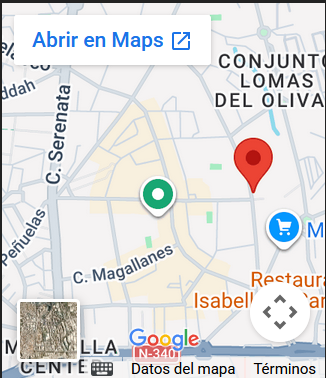
Clinical hypnosis in Marbella
If you are looking for clinical hypnosis in Marbella, it is important to understand which technique will be used, what its purpose is, and within which therapeutic approach it will be applied before starting any treatment.
At PsiqueFunciona, we approach each case individually and use different psychological tools according to each person’s needs.
Hypnosis is not presented as a miracle solution, but as a possible tool within a therapeutic process when it is clinically indicated.
If you are experiencing anxiety, difficulties related to certain habits, or another situation that is affecting your wellbeing, we can assess your situation with you and determine which treatment may be most appropriate.
Do you have questions about whether clinical hypnosis could help you?
Contact PsiqueFunciona and we will assess your case with you.
Frequently Asked Questions About Clinical Hypnosis
Does clinical hypnosis make me lose control?
No. During hypnosis, the person retains their ability to make decisions and can stop the experience at any time.
Is clinical hypnosis the same as stage hypnosis?
No. Although both involve hypnotic techniques, their objectives and contexts are completely different. Clinical hypnosis is used within a therapeutic context.
Can I become trapped in a hypnotic state?
No. Hypnosis is not a state from which a person can become trapped.
Can hypnosis help treat anxiety?
It can be used as a complementary tool in certain cases, but it should be assessed individually and does not replace appropriate psychological treatment.
Can hypnosis help me quit smoking?
It may form part of a smoking cessation intervention in certain cases. Its usefulness depends on the individual’s characteristics and the therapeutic approach used.
Does hypnosis work for everyone?
Not necessarily. The hypnotic experience varies from person to person, and the usefulness of the technique also depends on the problem being addressed.
Do I need a psychological assessment before undergoing hypnosis?
It is recommended. An assessment helps determine whether hypnosis is appropriate and what type of intervention may be most suitable.
Conclusion
Clinical hypnosis is very different from the image that is often portrayed on television or in stage shows.
It does not involve losing control or becoming dependent on another person. It is a tool that can be incorporated into certain therapeutic processes, and its usefulness depends on the specific problem, the individual, and the context in which it is used.
If you are considering hypnosis, the most important thing is not to look for a technique that promises quick results, but to find a psychological intervention that is appropriate for your particular situation.
At PsiqueFunciona, in Marbella, we can help you assess which therapeutic approach may be most suitable for you.
Get in touch and find out whether clinical hypnosis could form part of your therapeutic proces
Hypnosis